The wall of care
Urban projection mapping with Touch designer
When I moved into 651 New York Avenue at the start of the pandemic, my balcony faced a burned, vacant building across the street—a shell left after a 2012 fire. I read about the tenants who had lost their homes and felt furious that this scar was still sitting there: empty, toxic, and avoided.
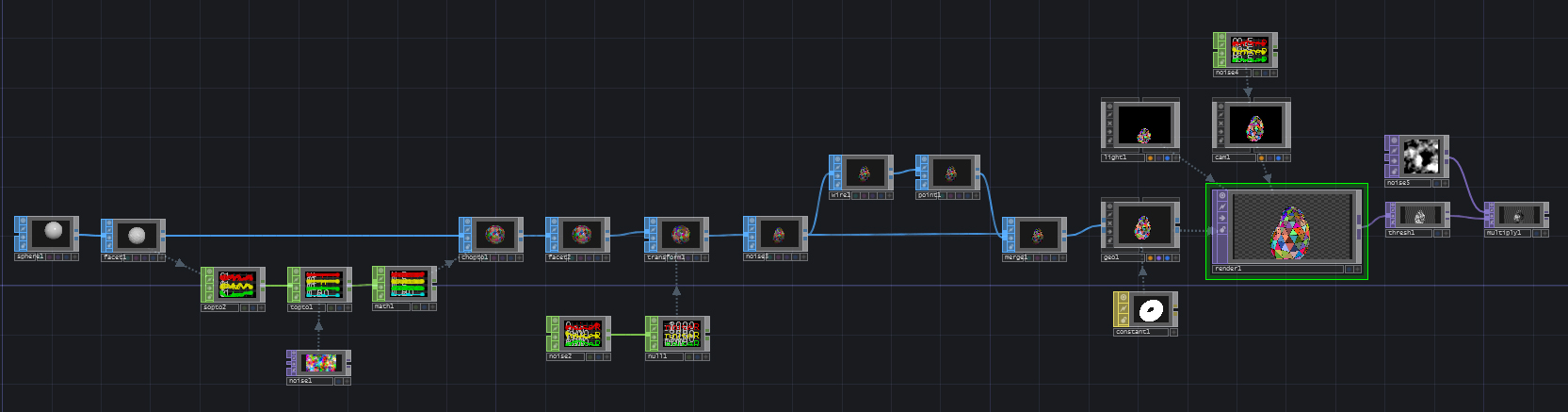
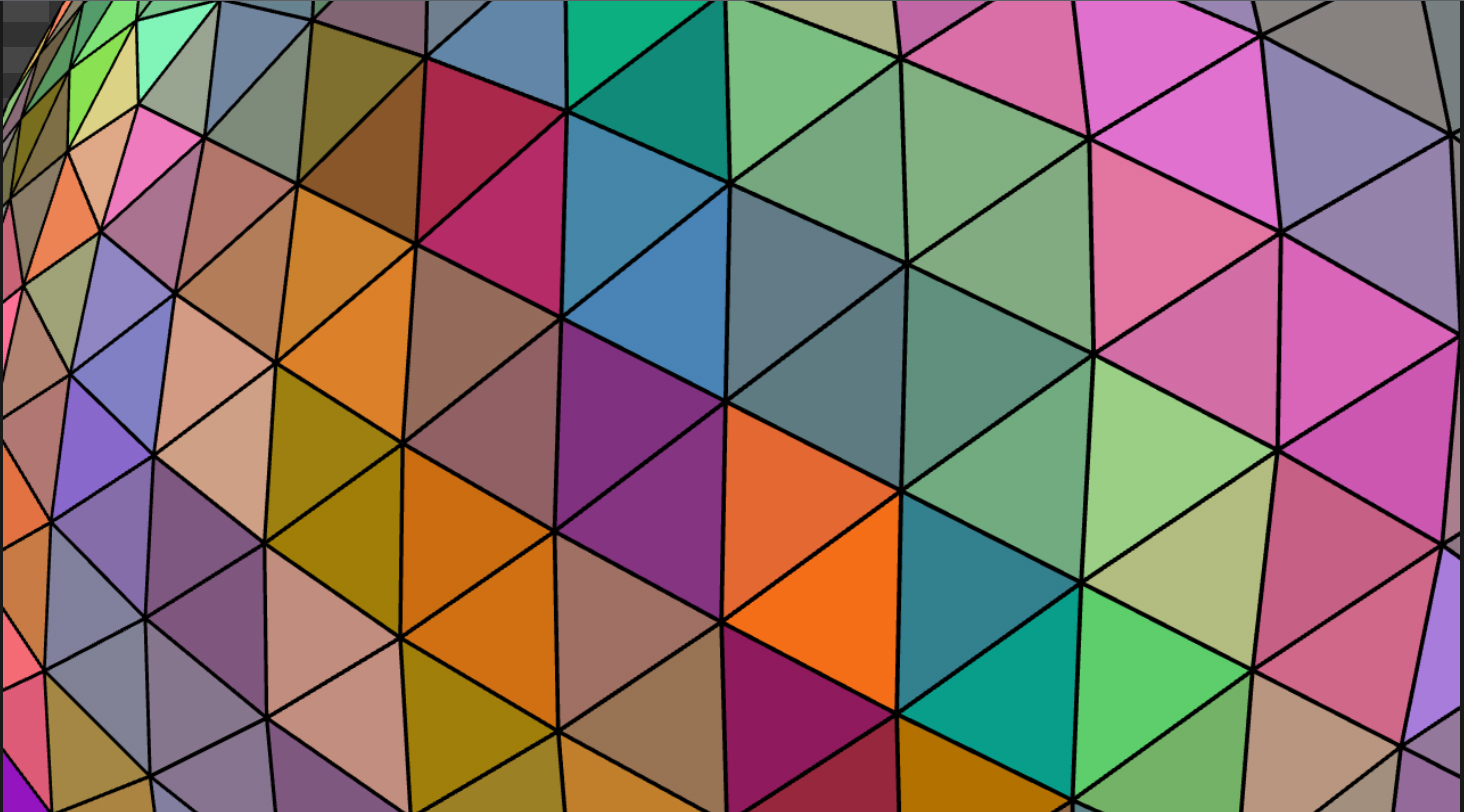
Eventually it clicked: if this building had been taken from its residents, I could, in a small way, give it back to the neighborhood—as a voice. My balcony was perfectly aligned with the façade, so I set up a home projector and opened TouchDesigner, a real-time node-based visual tool. I patched text, video, and sound into animations, warped them to match the geometry of the windows, and turned the burned façade into a responsive screen.
![]()
![]()
![]()
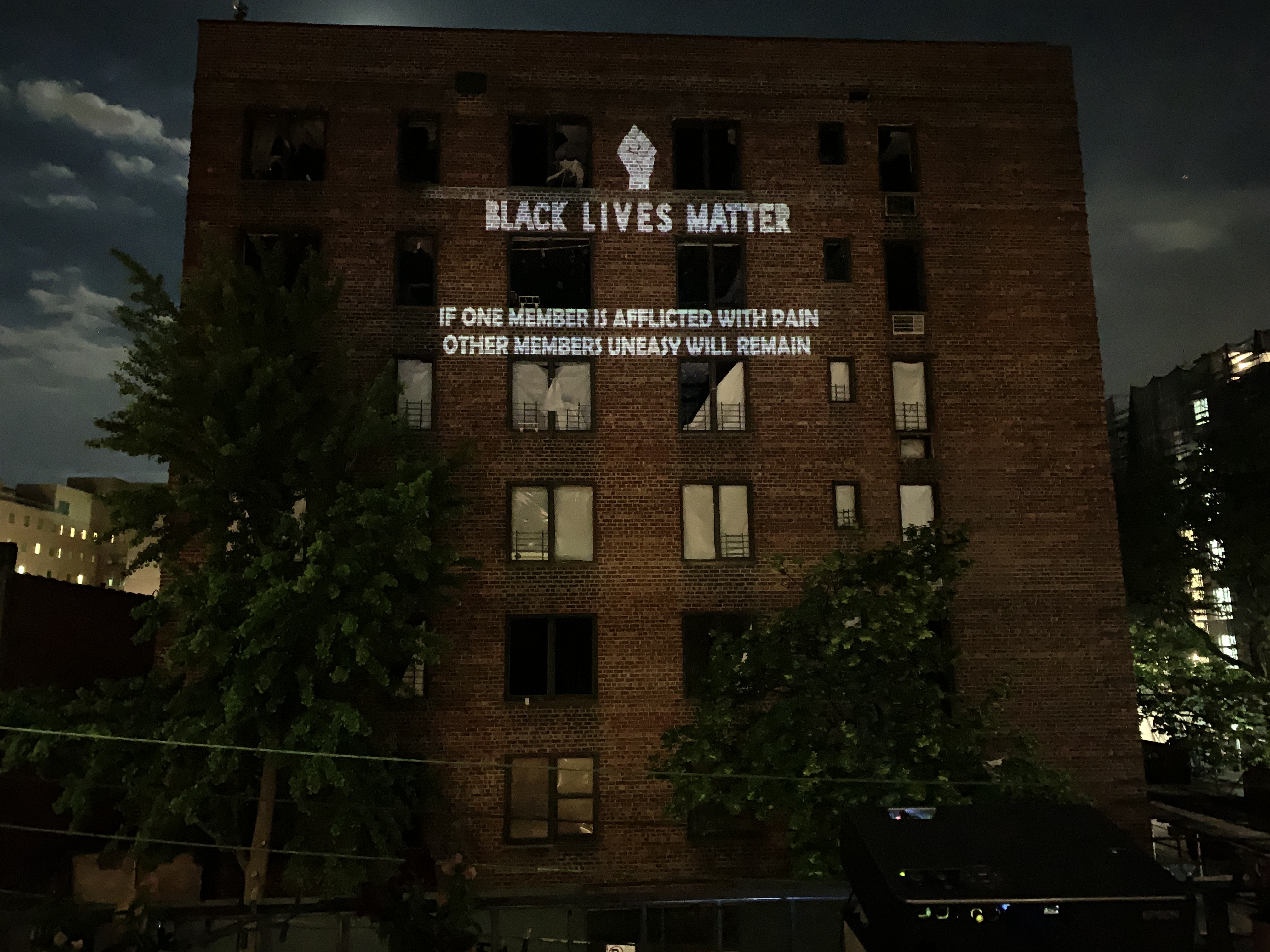
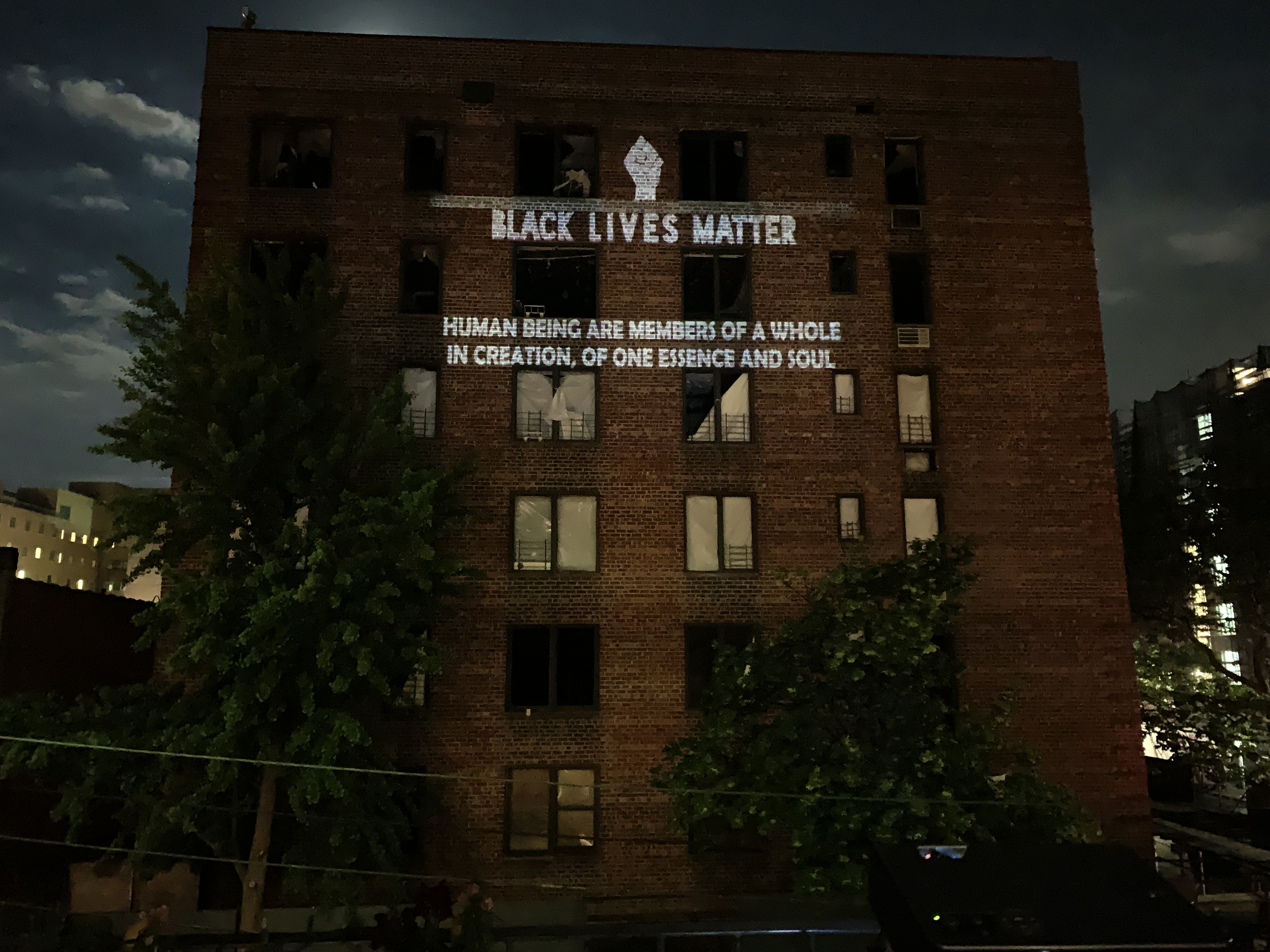
On May 25, 2020, after the murder of George Floyd and the resurgence of Black Lives Matter protests, I remapped the façade with Saadi’s poem “Bani Adam”
Bringing this centuries-old text from Iran into conversation with the calls for justice in Brooklyn was my way of placing my own cultural history alongside the movement on the streets.
![]()
![]()
When I moved into 651 New York Avenue at the start of the pandemic, my balcony faced a burned, vacant building across the street—a shell left after a 2012 fire. I read about the tenants who had lost their homes and felt furious that this scar was still sitting there: empty, toxic, and avoided.
Eventually it clicked: if this building had been taken from its residents, I could, in a small way, give it back to the neighborhood—as a voice. My balcony was perfectly aligned with the façade, so I set up a home projector and opened TouchDesigner, a real-time node-based visual tool. I patched text, video, and sound into animations, warped them to match the geometry of the windows, and turned the burned façade into a responsive screen.

During lockdown, those nightly projections became a way to hold my neighbors’ hands without touching—short phrases like “I see you. I’m with you.” and “Stay Home, Save Lives” breathing across the building in shifting colors and shapes. Windows cracked open; people waved from fire escapes; kids pointed from the sidewalk; elders watched from behind curtains. It felt like a contactless hug, a one-block “balcony radio station” repeating a simple message: you’re not alone.
On May 25, 2020, after the murder of George Floyd and the resurgence of Black Lives Matter protests, I remapped the façade with Saadi’s poem “Bani Adam”
Bringing this centuries-old text from Iran into conversation with the calls for justice in Brooklyn was my way of placing my own cultural history alongside the movement on the streets.
Design and Implementation:
Sima Shahverdi
Sima Shahverdi